
Photo by miniperde from Pexels
What Is Paint by Numbers (And Why Beginners Love It)?
Picture this: you sit down with a blank canvas, brush in hand, and your mind goes completely empty. What do you paint? Where do you even start? This is the wall that stops most beginners before they ever really begin. Paint by numbers tears that wall down entirely.
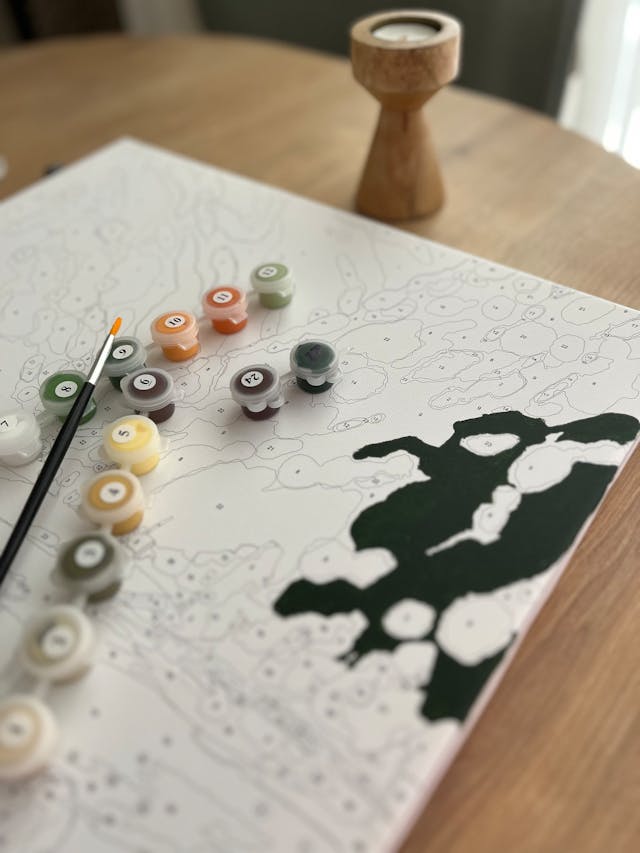
At its core, paint by numbers is a pre-printed canvas system where the entire image is divided into small, clearly labeled sections. Each section carries a number, and each number corresponds to a specific paint color. You simply match number to color, fill in the sections, and watch a finished piece come together beneath your brush. No artistic training required, no guesswork, no frustration.
Davincified has become one of the most trusted modern destinations for these kits, offering everything from peaceful landscapes to stunning custom portraits built from your own photos.
The concept itself has been around longer than most people realize. It first appeared in the 1950s as a consumer hobby product, designed to bring painting into everyday households. Back then, the kits were simple and the results were modest. Today, the quality has transformed dramatically, with high-detail canvases and photo-realistic output that genuinely surprises people when they finish.
What makes paint by numbers so magnetic for beginners comes down to a few things:
- It removes the intimidating blank canvas problem
- It builds real brush control and color awareness over time
- It delivers a finished, frame-worthy result even on your very first try
- It creates a meditative, focused experience that feels genuinely rewarding
This guide will walk you through everything you need to know to get started with confidence.
Choosing Your First Paint by Numbers Kit: What to Look For
Walking into the world of paint by numbers is exciting, but picking the wrong starter kit can turn that excitement into frustration fast. A few key factors will help you find something that actually sets you up for a good experience.
Canvas type matters more than most beginners expect. Stretched canvas arrives ready to paint on a rigid frame, which keeps things stable and makes brush control easier. Rolled canvas is more affordable and easier to ship, but you will need to tape or pin it flat before starting, otherwise the surface shifts around as you work.
When it comes to complexity level, look at how densely the numbered sections are packed together. Tiny, fragmented sections mean more precision is required, which is tough when you are just getting comfortable holding a brush. A good beginner kit has sections that are large enough to fill without feeling like a puzzle.
For paint quality, look for pre-mixed acrylics that go on smoothly without needing any preparation on your part. Full coverage in a single or double coat is the goal.
Kit completeness is another thing worth checking. A good kit includes brushes suited to the section sizes, a printed reference image, and a clear numbered guide alongside the canvas.
Finally, think about subject matter. Landscapes and botanical illustrations tend to have gradual transitions and forgiving shapes. Portraits, on the other hand, require precise color placement to look right, which makes them genuinely harder for first-timers.
Brands like Davincified cooperate with real artists to create original designs, meaning every kit supports working artists while giving you a genuinely beautiful piece to paint, which adds a meaningful layer to the whole experience.
Paint by Numbers Techniques: How to Paint Like a Pro from Day One
Getting your technique right from the start makes a huge difference in how your finished painting looks. The good news is that a few simple habits will take your results from “okay” to genuinely impressive.
Brush selection is your first decision. Use fine-tip brushes for small, detailed sections where precision matters, and switch to flat brushes when filling in larger areas. Trying to fill a wide section with a tiny brush wastes time and creates uneven coverage.
Most experienced painters follow the dark-to-light method, meaning they paint the darkest shades first and work toward lighter ones. This simple sequence reduces the risk of accidentally dragging a dark pigment across a freshly painted light area.
Working in sections also protects your progress. Rather than jumping randomly across the canvas, paint areas that are not directly touching each other, then let those dry before moving to neighboring sections. This one habit alone prevents the most common smearing mistakes.
Paint consistency deserves real attention. Your paint should glide on smoothly without being runny. If it feels too thick and leaves visible ridges as it dries, add one small drop of water to the cup and mix gently. This restores a smooth, workable texture without weakening the pigment enough to lose coverage over the printed numbers.
When it comes to covering the numbers, one coat is rarely enough. If a section looks streaky or slightly transparent after drying, resist the urge to fix it while it is still wet. Painting over wet paint creates muddy, uneven color, and this is the single most common mistake beginners make. Let it dry fully, then apply a second thin layer. The result will be clean, opaque, and professional-looking every time.
Take It Further: Ordering a Custom Paint by Numbers Kit
If you want to push your creative practice in a more personal direction, ordering a custom paint by numbers kit lets you turn a meaningful photo into a fully paintable canvas. Instead of working from a generic landscape or stock image, you get to recreate something that actually matters to you.
Choosing the right photo is the most important step in the process. The best results come from images that have:
- Clear, well-lit subjects – avoid dark or backlit photos where details get lost
- High resolution – a sharp image gives the processing software more to work with
- A defined focal point – portraits, pets, wedding moments, and travel photos all tend to convert beautifully
Blurry or low-contrast photos often produce sections that are hard to distinguish while painting, so it’s worth taking a few minutes to find your strongest image before uploading.
Once you place your order, the photo goes through a processing stage where it gets mapped into numbered sections. Davincified’s smart sectioning algorithm breaks your photo into clean, well-defined sections, so even complex images like portraits or landscapes come out with crisp, accurate results rather than blurry or ambiguous areas. After processing, your kit ships with a pre-printed canvas, numbered paint pots, and brushes, all packaged and ready to use.
Custom kits also make thoughtful, personalized gifts for creative people in your life. A painted portrait of someone’s dog, their kids, or a favorite travel memory carries far more meaning than anything you could pick off a shelf. It’s a gift that doubles as an experience.
Finishing, Displaying, and Protecting Your Completed Painting
Once your final brushstroke is down, the real satisfaction begins – turning a completed canvas into something display-ready.
Sealing your painting is the first step most beginners overlook. A light coat of acrylic varnish or sealer protects the surface from dust and UV exposure while evening out any inconsistent sheen between thick and thin areas. Apply it in a single smooth pass using a wide, soft brush, and let it cure fully before handling.
If printed numbers are still peeking through in lighter sections, a few targeted fixes help:
- Mix a slightly thicker version of the base color and dab it directly over the visible lines
- Use a number-remover marker (available at most craft stores) to neutralize the ink before adding a final thin paint layer
- Work in natural light so you can spot any remaining ghost lines before sealing
For framing, you have solid options at every budget level:
- Stretched canvas frames give a clean, gallery-style finish
- Float frames let the canvas edges show, adding a modern touch
- A simple DIY approach using clip frames works well for smaller pieces
When it comes to displaying, avoid hanging acrylic paintings in spots with direct sunlight or harsh overhead lighting. Soft, indirect light brings out brushwork detail without creating glare. A spot at eye level on a neutral-colored wall tends to work best.
Finally, sharing your work online is genuinely rewarding. Paint by numbers communities on platforms like Reddit and Instagram are welcoming spaces where creators at every skill level post their finished pieces. If you used a kit from a company like Davincified, which offers a 30-day money-back guarantee for first-time buyers, you can feel confident posting your results knowing the kit itself was quality to begin with.
howtoexplainer blog
Saturday 11th of April 2026
This is exactly what I was looking for.
howtoexplainer.com
Friday 10th of April 2026
This is exactly what I was looking for.
https://finscope.co.uk/
Thursday 9th of April 2026
Thanks for the useful information.
333985
Wednesday 8th of April 2026
Mass comment blasting: $10 for 100k comments. All from unique blog domains, zero duplicates. I will provide a full report and guarantee Ahrefs picks them up. Email mailto:[email protected] for payment info.If you received this, you know Ive got the skills.
porntude
Monday 6th of April 2026
wish you all the best